
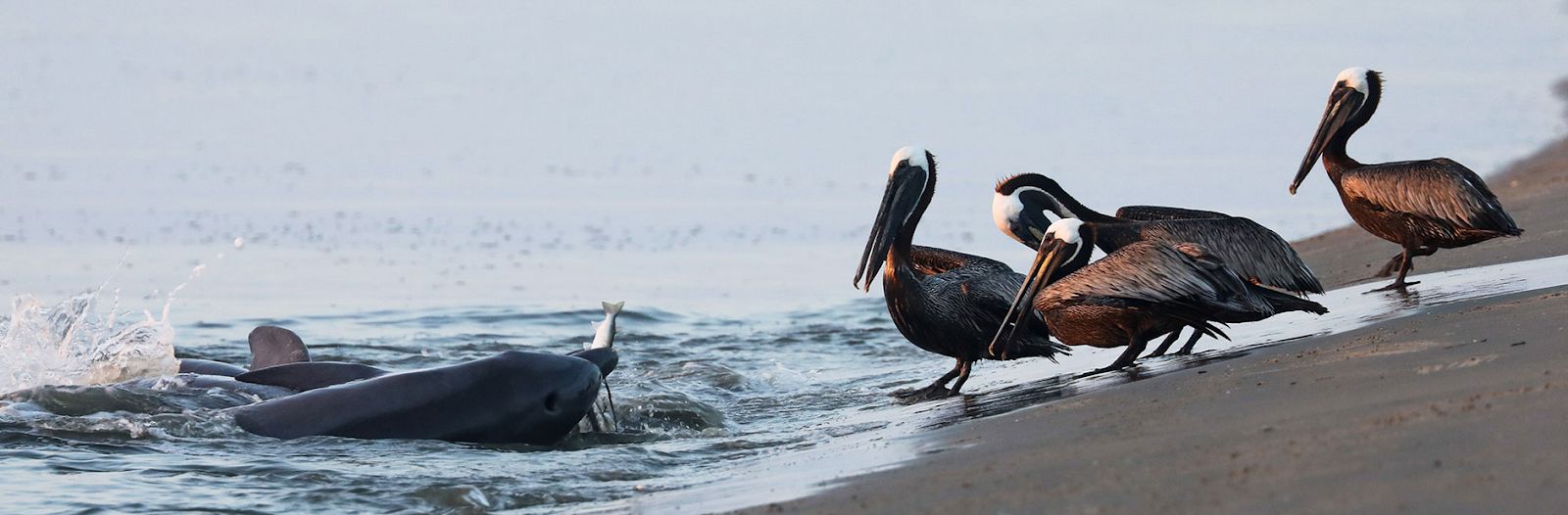
The Seabrook Island community is dedicated to protecting and preserving the island’s natural resources for generations to come. An Audubon International Cooperative Sanctuary, Seabrook is home to a diverse variety of wildlife, including many mammals such as bobcats, red and gray foxes, and white-tailed deer. Bottlenose dolphins can often be seen strand-feeding in and near Cap’n Sams Inlet during low tide. More than 30 species of reptiles can also be found on the island, such as alligators, tree frogs, and chameleons. The reptile that gets the most attention, however, is the Caretta caretta—better known as the loggerhead sea turtle. The island is also a haven for over 80 amazing bird species, including bald eagles, roseate spoonbills, pelicans, egrets, osprey, and more.
Seabrook Island is home to some amazing wildlife. Enjoy our wildlife, but remember they have adapted to our presence. They are still wild animals and should be left alone. Seabrook’s wildlife will not bother you if you allow them to freely live in their environment. In all instances, pets and children should not be unsupervised outside. Please do not feed any wildlife on Seabrook Island under ANY circumstances.
A variety of dining and shopping options can be found both on-island and just outside the gate at nearby Bohicket Marina and Freshfields Village.
Problem with Wildlife?
If the wildlife is being aggressive or exhibiting unusual behavior, please call the Security Gate at 843-768-6641. The Security staff will take action if they deem the animal a nuisance. If the animal is exhibiting normal behavior, they will most likely be allowed to stay in its natural habitat.
 Alligators
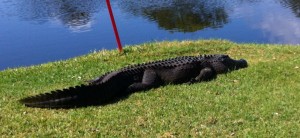
It should go without saying that alligators can be very dangerous. To our surprise and dismay, though, there are some that don’t seem to appreciate this.
Please do not feed the alligators. This can make them very aggressive towards people. Alligators and small children or dogs don’t mix. At the water’s edge, they can both be mistaken for prey for a large alligator. Do not go near the water’s edge at any of the ponds or lagoons on Seabrook.
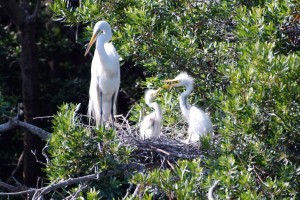
Birds
Seabrook is a birder’s paradise. From bald eagles to osprey, blue herons to painted buntings, it is a feast for the eyes. For more information on what you might see, please visit Birds of Seabrook Island.
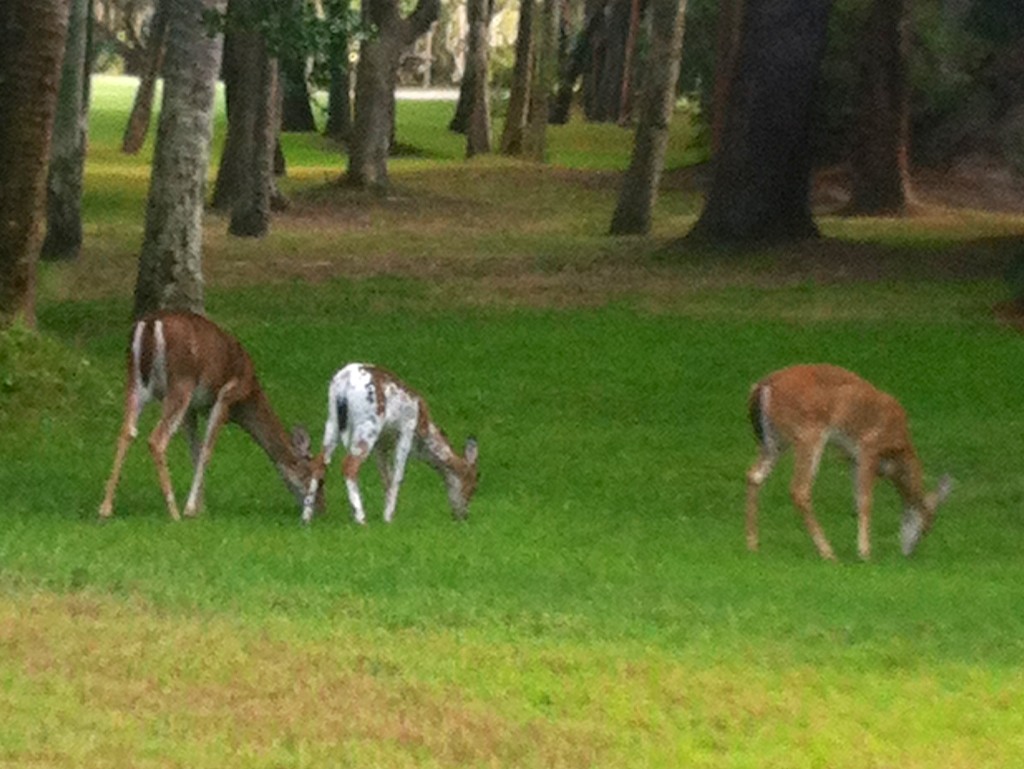 Deer
Deer
The white-tailed deer is the most prominent component of the wildlife community on Seabrook Island. Although other wildlife species, such as bobcats, raccoons, squirrels, alligators, and countless birds, are commonly seen by our residents, deer are clearly the animals that most people enjoy seeing and interacting with. The fact that deer can be observed on Seabrook Island in a natural setting results from the ecological awareness, effort, and emphasis our residents place on maintaining the natural environment. We ask that you please NOT feed the deer and take care when driving, especially during dawn and dusk when they are most prevalent. If you are lucky, you may even see one of our resident piebald deer! They are a treat!
Bobcats, Foxes, and Coyotes
Seabrook is home to bobcats, foxes, and coyotes. Their population is closely monitored, and it is considered in balance with what our environment can support. They are afraid of people and will avoid them, however, it is always prudent to give them space and keep children and pets clear. Small pets should be supervised in yards. If you see a bobcat, fox, or coyote and would like to help us track their location, please to make a report (click here).
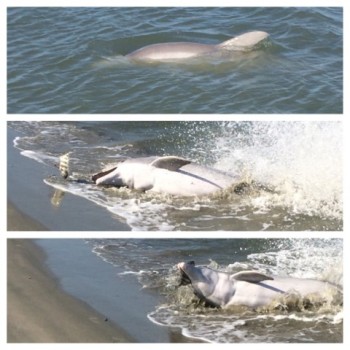 Dolphins
Our native dolphins do amazing things! Dolphins can often be seen strand feeding in and near the Cap’n Sam’s Inlet. We are all privileged to live so near this amazing sight. The best place to observe this great phenomenon is from North Beach at Cap’n Sam’s Inlet during the hours surrounding low tide.
Dolphins Strandfeeding
To observe this unique feeding behavior, guests may park at the parking pad on Oyster Catcher Court near Walk 2 and take either Walk 1 or Walk 2 to the beach. Turn left when you reach the beach and continue to the Inlet (approximately .5 miles). Also, Pelican Beach, near where the Edisto River meets the ocean, is a great area to watch them frolicking. Just park by Walk 12 and head to the beach. The dolphins tend to display this unique feeding technique during the hours surrounding low tide. It happens year-round, but they are most active in the late summer and fall. Bring your camera and perhaps a beach chair, sit a respectable distance back, and enjoy this amazing behavior unique to our beaches. DOGS ARE NOT ALLOWED AT THIS END OF THE ISLAND.
Remember, with dolphins as with all wild creatures, the rule is look but don’t touch. We have heard (and even seen videos) of a few people jumping in to swim with the dolphins. This is not Sea World — These are wild animals. Please enjoy these animals from the shore. There are extremely strong currents in this area, making swimming for any purpose a dangerous endeavor. Furthermore, you should not disturb the animals’ natural behavior. These animals are wild and can be dangerous. Remember to be SMART when it comes to Dolphins:
- Stay at least 50 yards from dolphins.
- Move away cautiously if dolphins show signs of disturbance.
- Always put your engine in neutral when dolphins are near.
- Refrain from feeding, touching, or swimming with wild dolphins.
- Teach others to be dolphin smart.
Loggerhead Turtles
We are lucky to have many nesting loggerhead turtles on Seabrook. The Turtle Patrol walks the beach in the early morning and typically wear bright tee shirts identifying themselves. They love to share stories about our nesting turtles, so please feel free to approach the Turtle Patrol and ask questions!
Loggerhead1
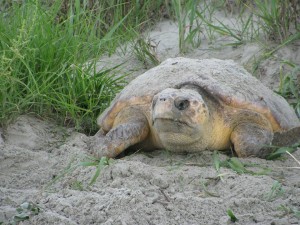 To keep the turtles and their nests safe, we ask that you:
DO stay away from nesting turtles and hatchlings;
DO keep dogs on leashes all the time from May through October;
DO fill in all holes on the beach at the end of the day;
DO turn off all lights visible from the beach; close blinds or drapes on all windows visible from the beach by 10:00 PM from May through October;
DO NOT use flashlights or camera flashes around turtles or hatchlings;
DO NOT leave trash on the beach; plastics can look like food to sea turtles.
Snakes
Seabrook is home to many snakes. We have a population of dangerous rattlers, copperhead, and cottonmouths, as well as non-poisonous rat and corn snakes, among others. Please be aware of your surroundings, especially with children or pets, or while walking on any of Seabrook’s trails, through wooded areas, and along the lagoon and pond edges.